The Food That Built Us: A Love Letter to Township Cuisine
Sphatlo, Mogodu, amagwinya. Food is not just sustenance. It is memory, identity, and resistance in a plastic.
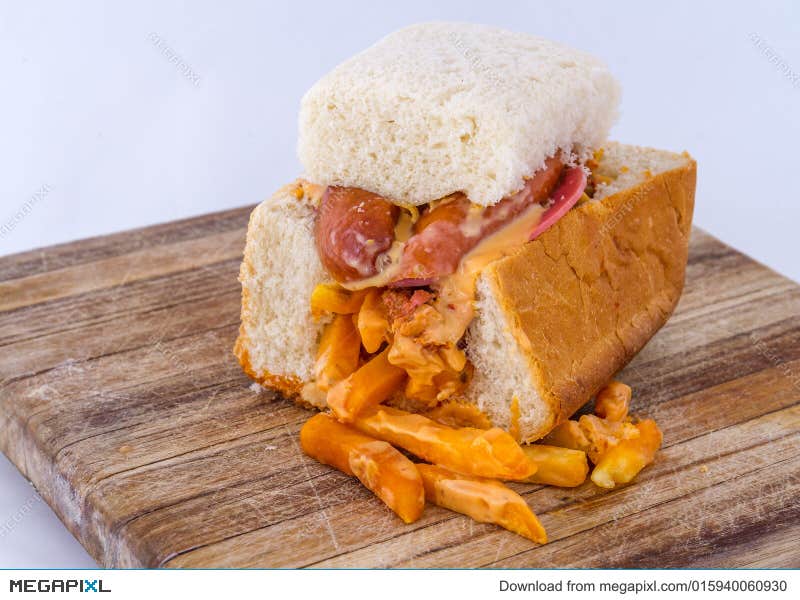
"A perfect kota isn't just lunch; it's a layered history of flavour and function, they mapped our history on our palates with hot oil and bare hands."
We rarely pause to give these street-corner culinary institutions the respect they command in our daily lives. A plastic bag sweating with hot vetkoek, clutching a sliver of polony or a healthy scoop of fiery chakalaka, represents a masterclass in culinary economics. It stands as a testament to black joy and an enduring symbol of how our communities conjure magic out of the bare minimum.
While the broader world looks toward elite fine dining for innovation, the real genius bubbles away in cast-iron pots across our eKasi streets. The ingredients might be humble, but the legacy is royal.
A South African street food staple consisting of a quarter loaf of bread hollowed out and densely
packed with various ingredients, typically slap chips, achaar, processed meat, cheese, and a fried
egg.
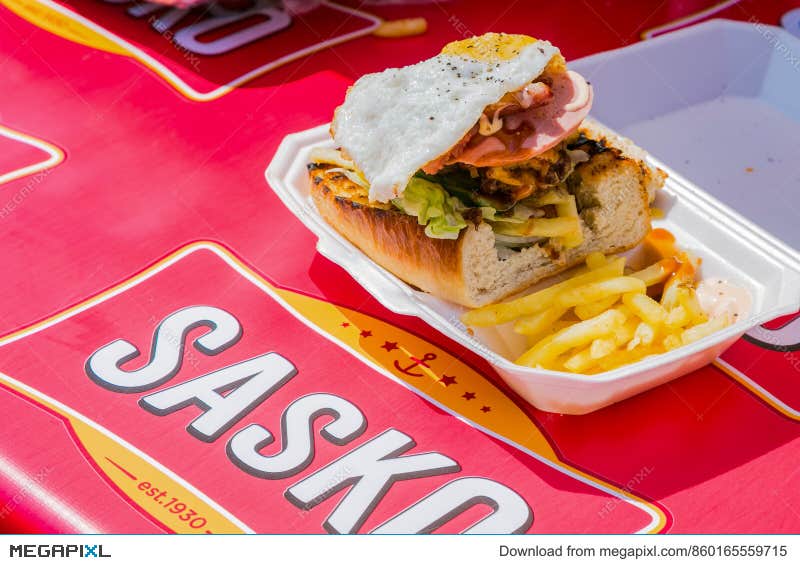
The layering process involves an exact science. Crispy slap chips soak up the bright red tang of a tomato sauce and vinegar mix. A slice of processed cheese melts into the hot potato, while a layer of mango achaar provides that sharp, spicy cut-through to balance the immense richness.
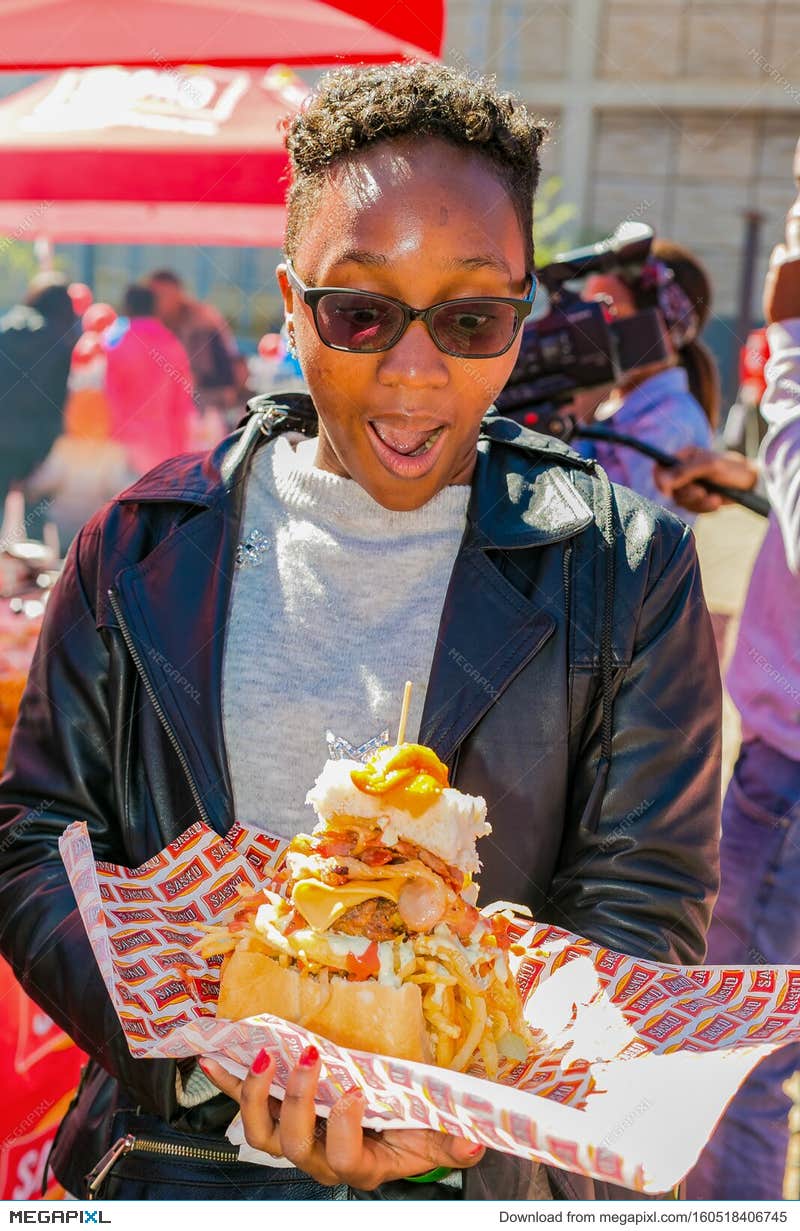
We eat this masterpiece with our hands, sitting on upturned milk crates or leaning against car bonnets. Devouring a kota without wearing the contents on your shirt requires a specific physical technique, an unspoken skill passed down like a secret handshake among friends.
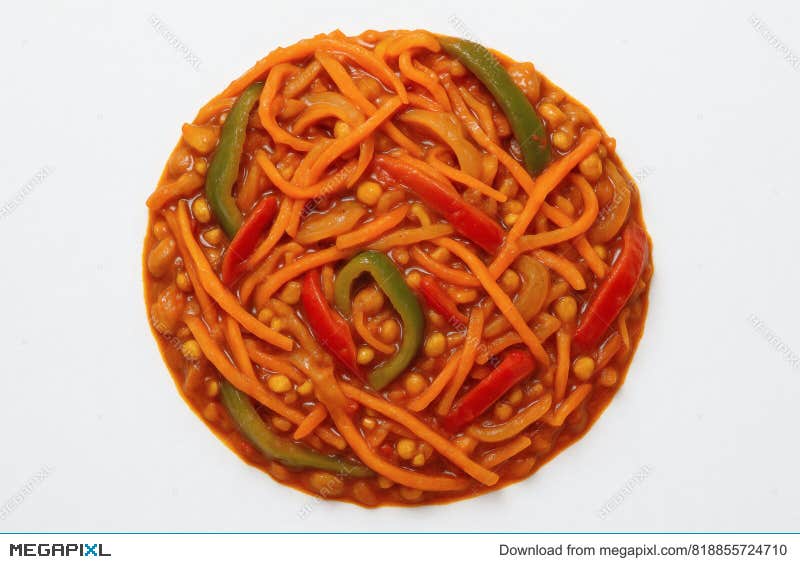
- Carrots Grated fine to seamlessly absorb the oil and spices.
- Baked Beans The creamy, sweet binding agent that holds the heat.
- Green Chillies Unapologetic fire that wakes up the entire palate.
- Curry Powder The golden dust connecting us to the Indian diaspora.
Today, a braai remains simply incomplete without a bowl of chakalaka resting next to the pap. The beauty of this dish lies in its endless regional variations, with every family fiercely guarding their specific ratio of heat to sweet.
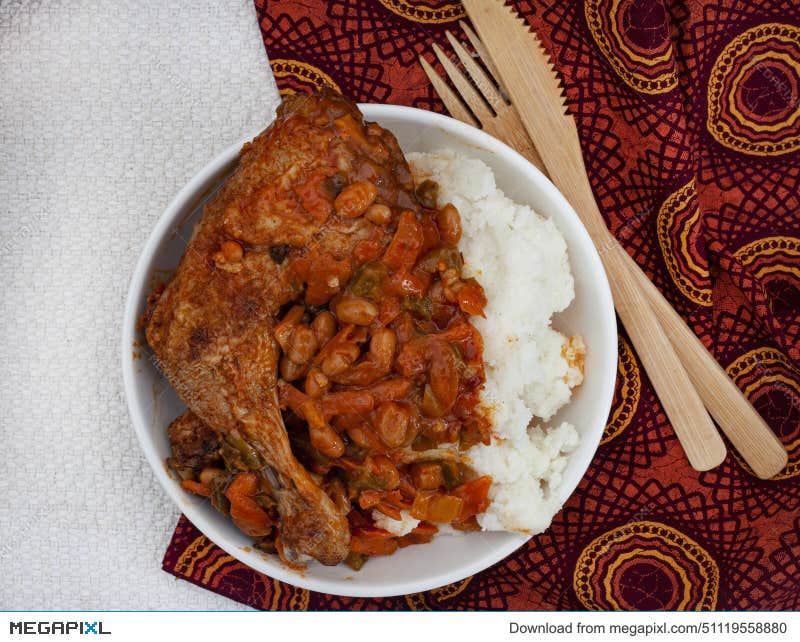
Vendors ladle it over boerewors rolls outside Loftus Versfeld, and grandmothers serve it alongside seven colours on a lazy Sunday afternoon in KwaMashu. It serves as the great equalizer, demanding nothing but an appreciation for bold, uncompromising flavour.
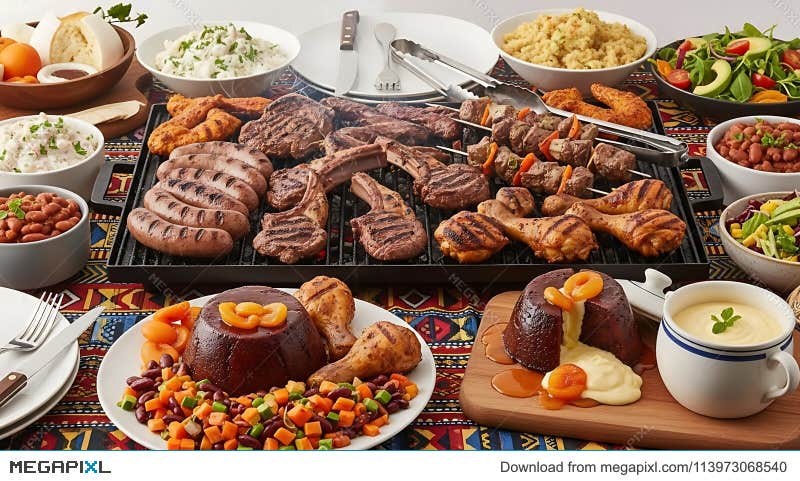
 The informal food sector, driven largely by township fast food and vibrant shisanyamas,
contributes an estimated R80 billion annually to the South African economy, employing hundreds of
thousands of people.
The informal food sector, driven largely by township fast food and vibrant shisanyamas,
contributes an estimated R80 billion annually to the South African economy, employing hundreds of
thousands of people.
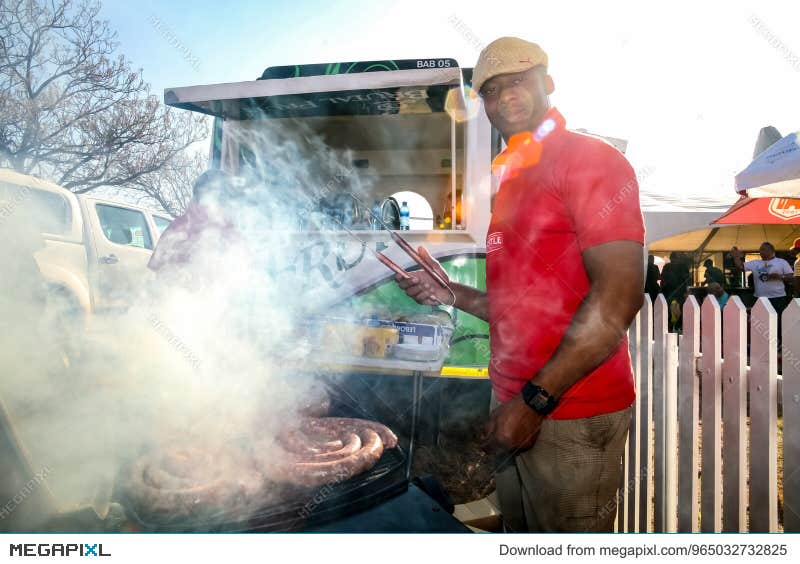
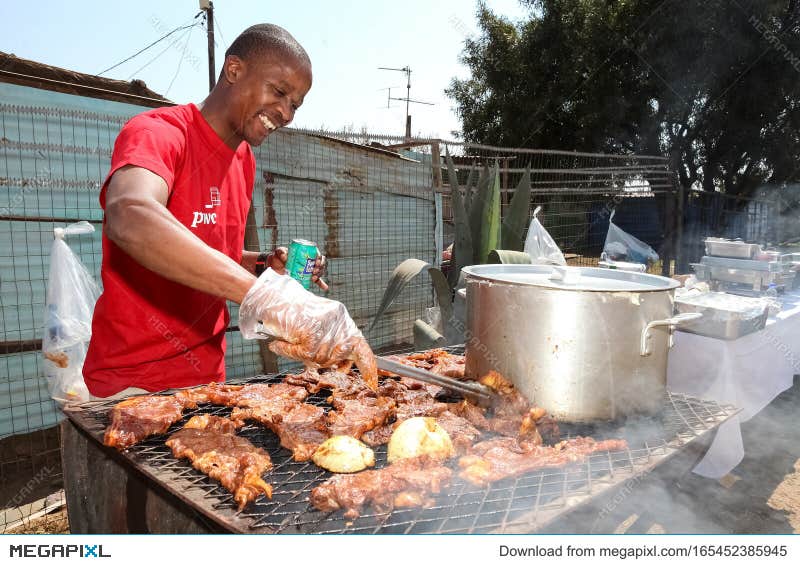
The ritual feels simple but remains profound. You select your cuts of beef, lamb chops, and spicy boerewors from the glass counter. You hand the plastic tray over to the braai masters at the back, whose faces disappear behind thick, flavourful smoke. You then settle at a plastic table with an ice-cold beer to wait, talk, and soak in the electric energy of the crowd.
@foodmoodsa Amagwinya recipe ; you can alter the measurements according to your preferences. #foodmoodsa #foodiesofsa #tiktokmzansi🇿🇦 #amagwinya ♬ All I'll Ever Ask - Freddie Jackson
The texture must hit absolute perfection. The exterior requires a light, golden crunch that shatters gently upon impact. The interior must stay soft, steamy, and slightly chewy, acting as a sponge for whatever filling you choose.

Some prefer them plain, savouring the slightly sweet dough. Others stuff them with savoury mince or the ubiquitous slice of French polony. Regardless of the filling, that first bite on a crowded train or a bustling taxi rank connects you to millions of others sharing the exact same sensory experience.
As the broader culinary world becomes increasingly homogenized, our vibrant, chaotic, and beautiful township cuisine remains fiercely, stubbornly our own. It serves as an edible rebellion against blandness, an unapologetic daily celebration of who we are and where we come from.
The next time you stand on a dusty corner waiting for your order, breathing in the rich scent of hot oil and woodsmoke, ask yourself: whose history are you tasting today?
More from African & SA Culture →