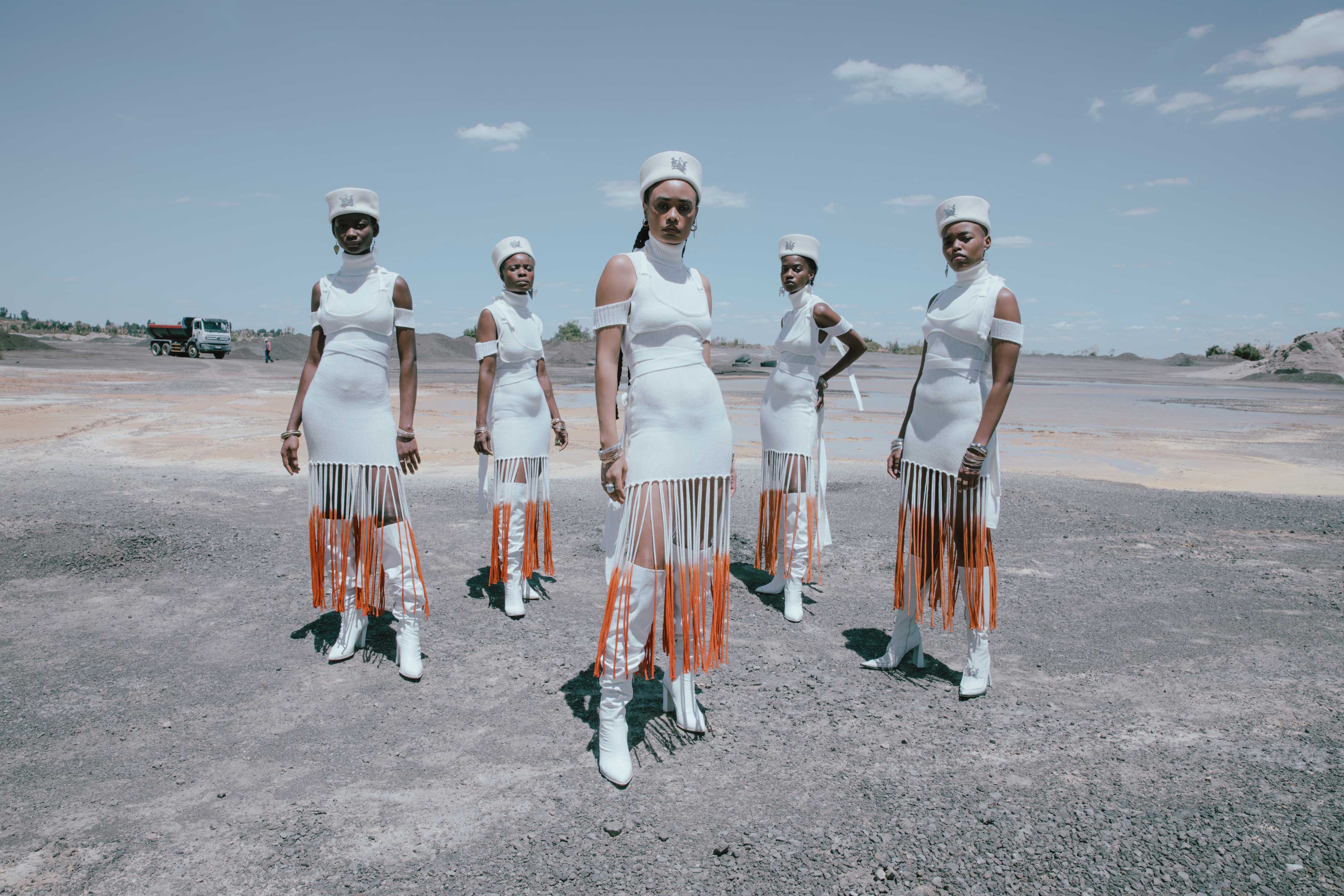
The Quiet Renaissance of African Design
From Cape Town studios to Lagos ateliers, a generation is rewriting what contemporary craft looks like — without asking permission.

There is a moment, somewhere between Cape Town's Bo-Kaap and a back-room studio in Yaba, when you realize that the conversation about "African design" has quietly stopped being about aesthetics and started being about authorship.
Designers across the continent are no longer translating their work for an imagined Western reader. They are publishing — in showrooms, in zines, in shipping containers turned galleries — for each other, and the world is reading over their shoulder.
A new vocabulary
The objects coming out of these studios share a quiet vocabulary: hand-finished steel, dyed sisal, recycled plastics that don't apologize for what they once were. The materials are local; the ambition is not.
"We're not making 'African' chairs. We're making chairs. The chairs happen to be African because we are."
That sentence, repeated in different words by every maker I spoke to, is the thesis of the renaissance. It is a refusal — gentle, certain — to be exoticized.
The economics of the quiet
What makes the moment fragile is also what makes it real: most of these studios are tiny. Two people. Three. A shared kiln. A WhatsApp group that doubles as a distribution channel.
- Studios under five people are producing the most-cited work.
- Direct-to-collector sales now outpace gallery placements for the first time.
- Instagram remains the de facto trade publication.
The fragility is the point. Scale would change the work. The designers know this. So they grow sideways instead of up — collaborating, lending tools, sharing fabricators.
What comes next
If the last decade was about visibility, the next will be about infrastructure: shared workshops, freight cooperatives, a pan-African fair that doesn't need a passport stamp from Milan.
None of it will be loud. That, in the end, is what makes it a renaissance and not a trend.