Shweshwe in Modern Africa: Old Fabric, New Energy
The indigo-printed cotton that dressed generations of South African women is having a very modern moment — and designers are just getting started.

The Makoti Reimagined
For decades, stepping into the role of a newlywed makoti meant adopting a strict, highly modest uniform. The traditional ankle-length skirt, heavy matching apron, and tight doek served as a highly visible announcement of a woman’s new marital status. Young brides often felt entirely swallowed by the heavy, rigidly structured garments.
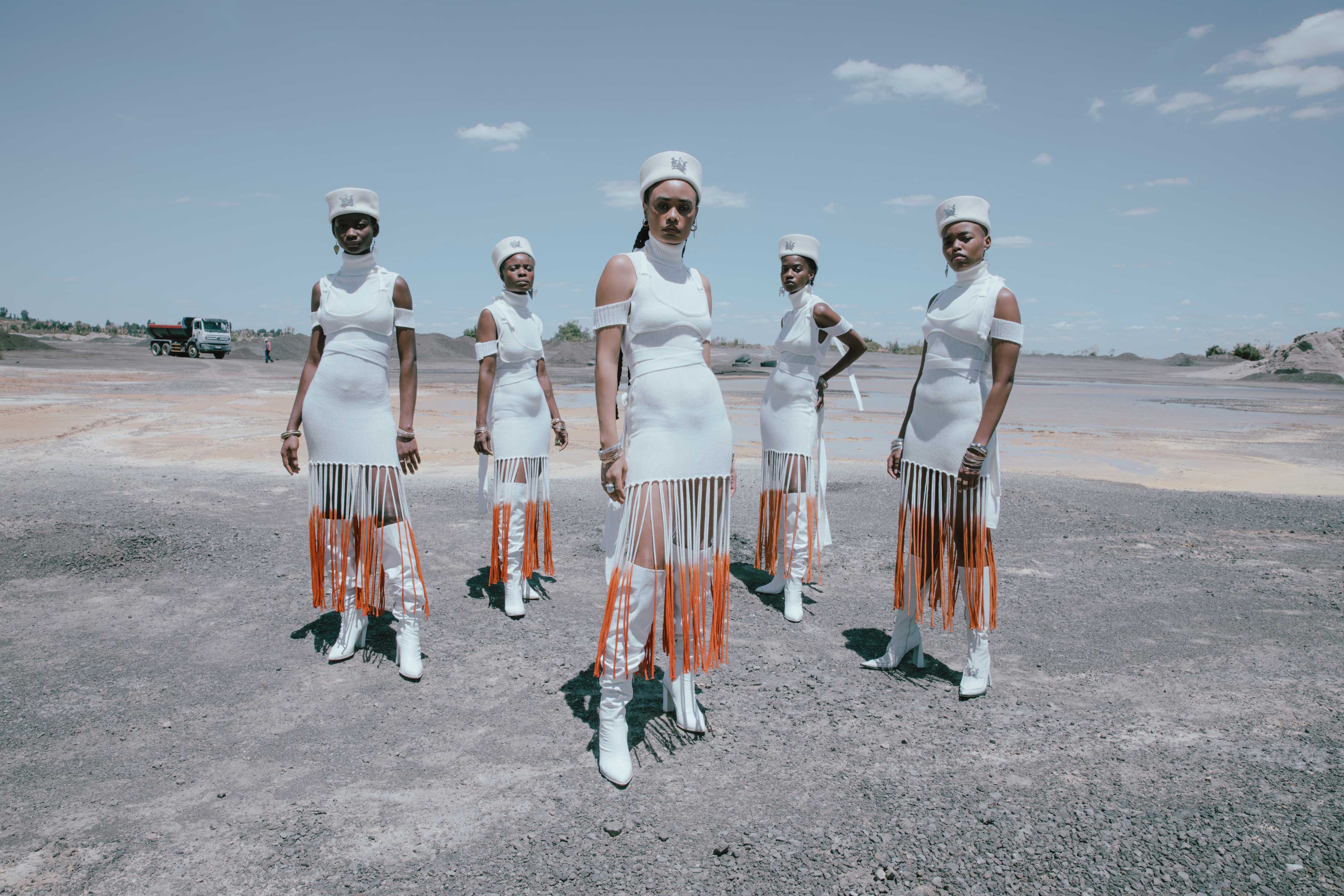
A new generation of creatives is shifting this visual narrative entirely. Designers in Johannesburg and Cape Town are boldly slicing into the traditional silhouette. They are crafting structured corsets, wide-leg trousers, and playful mini-skirts. You can now easily walk into a high-end boutique in Maboneng and find the heritage fabric expertly tailored into fierce power suits.
"We are not discarding the rich traditions of our mothers. We are simply giving them the necessary breathing room to fit our current, fast-paced lives."
— Lindiwe Mnguni, Johannesburg Stylist
The intricate prints still command immense respect, but they no longer demand absolute silence. Wearing the celebrated cloth is now a deliberate personal choice. It stands as a vibrant celebration of our roots and a fiercely fashionable statement of independence.
The Zwelitsha Engine Room
Every genuine piece of this remarkable cloth carries the heavy, proud history of the Eastern Cape. Da Gama Textiles operates tirelessly out of Zwelitsha, an industrial hub situated just outside Qonce. They officially remain the sole producers of the authentic print in the entire world.
The sprawling factory relies heavily on antique copper rollers to etch the intricate, highly repetitive designs onto the raw cotton. This complex acid discharge method creates the signature white geometric patterns. It also permanently leaves the woven fabric with its characteristic stiffness and sour, deeply starchy scent.
Originally introduced by European missionaries in the mid-1800s, Xhosa women affectionately named the blue fabric Ujamani. The widely used contemporary name "Shweshwe" later emerged organically. Historians and elders suggest the word actively mimics the distinct swishing sound the heavily starched fabric makes when women walk in traditional pleated skirts.
Local production reliably sustains hundreds of vital jobs in a province desperate for ongoing economic stability. When we deliberately buy the real fabric, we are directly funding our own domestic manufacturing sector. The historic textile acts as a vital, life-giving artery for the local economy.
From Indigo to Neon
We historically associate the detailed print with three foundational core colours. The traditional palette relies entirely on deep indigo blue, rich chocolate brown, and vibrant ruby red. Modern fashion houses recently demanded far more versatility, prompting the local manufacturer to massively expand its offerings.
You can now easily find the iconic geometric wheels printed brilliantly in acid green, hot pink, and electric orange. The renowned designer Palesa Mokubung featured similar bold, structural prints in her iconic Mantsho collection. Her stunning work eventually landed in massive H&M stores globally, bringing our aesthetic to the masses. This massive colour explosion breathed fresh, highly necessary energy into the aging textile.
The bright new colours allow the youth to adopt the fabric without feeling like they are wearing a historical costume. It perfectly bridges the wide gap between deep ancestral reverence and contemporary street style. The modern look is loud, utterly unapologetic, and fiercely African.
The Economics of Authenticity
Walking through the crowded, chaotic fabric stalls of Marabastad in Pretoria reveals a hidden, damaging crisis. Counterfeit, heavily imported poly-cotton blends severely flood the local textile market. These exceptionally cheap imitations deeply threaten the long-term survival of our domestic industry.
@javavogue #shweshwe #shweshwefabric #shweshweprint ♬ original sound - sheltermususa
Street hawkers regularly sell the fake rolls for a mere fraction of the standard price, severely undercutting the hardworking Zwelitsha factory. The cheap imitations completely lack the distinctive sour smell, the rigid drape, and the impressive longevity of the original cloth. They wash out incredibly quickly and tear easily under tension.
- The Smell Test: Authentic rolls have a sharp, starchy scent directly resulting from the copper-roller printing process.
- The Back Stamp: Always look for the official Three Cats, Three Leopards, or Toto logo clearly stamped on the reverse side.
- The Taste Test: Older generations literally bite the fabric; authentic dye leaves a distinct, slightly bitter taste on the tongue.
- The Width Rule: Genuine rolls are strictly printed at a narrow 90cm width, never wider.
Protecting this beautiful heritage requires intense, ongoing consumer awareness. Happily paying R100 per metre for the genuine article is a direct investment in excellent South African craftsmanship.
Take It With You: Mastering the Cloth
Our vast cultural heritage is entirely too vibrant to sit quietly inside a dusty museum display case. It thrives beautifully when we actively wear it, adapt it, and confidently carry it into entirely new spaces. The intricate geometric wheels of our ancestors continue to turn, rolling effortlessly into the bright future.
We own this incredible narrative, and we dictate exactly how the fabric drapes proudly across the shoulders of the next generation. When last did you truly wear your heritage, and exactly how will you style it tomorrow?